
Full Spectrum Sustainability Actions from Policy to Industry
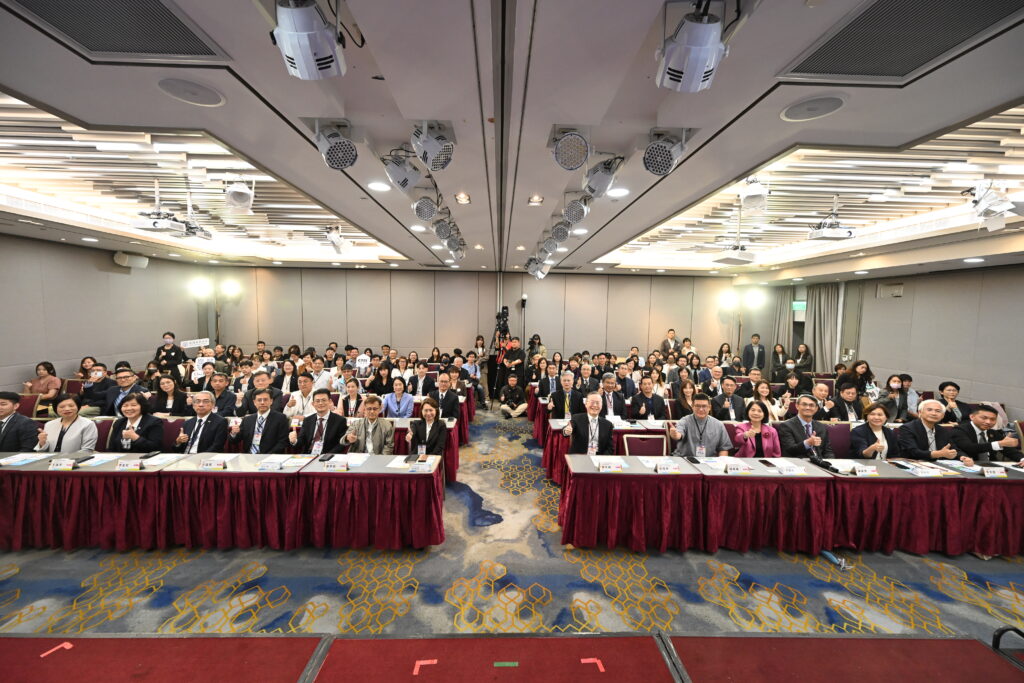
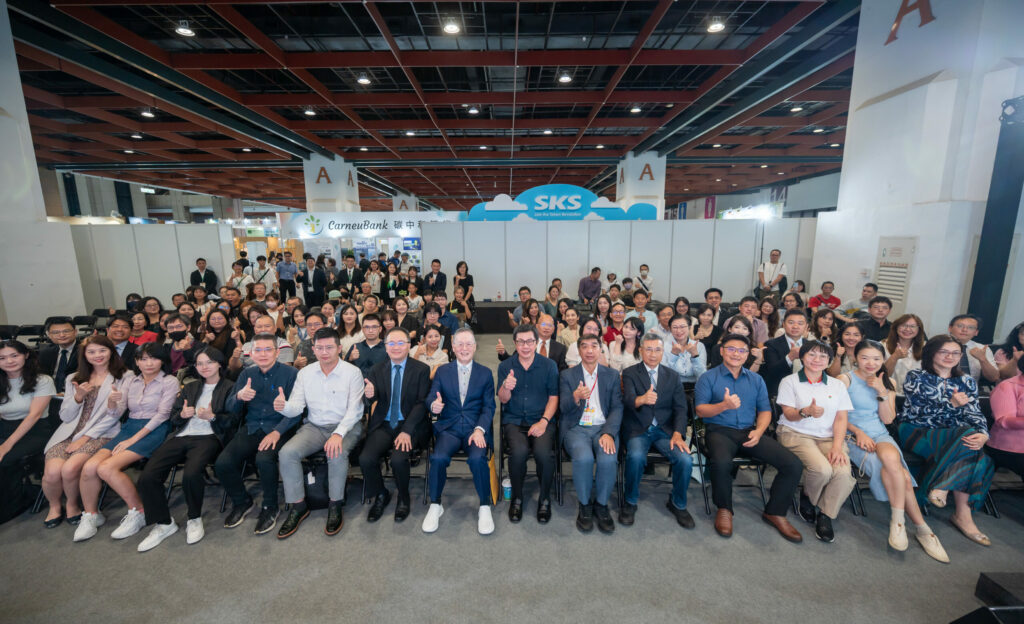
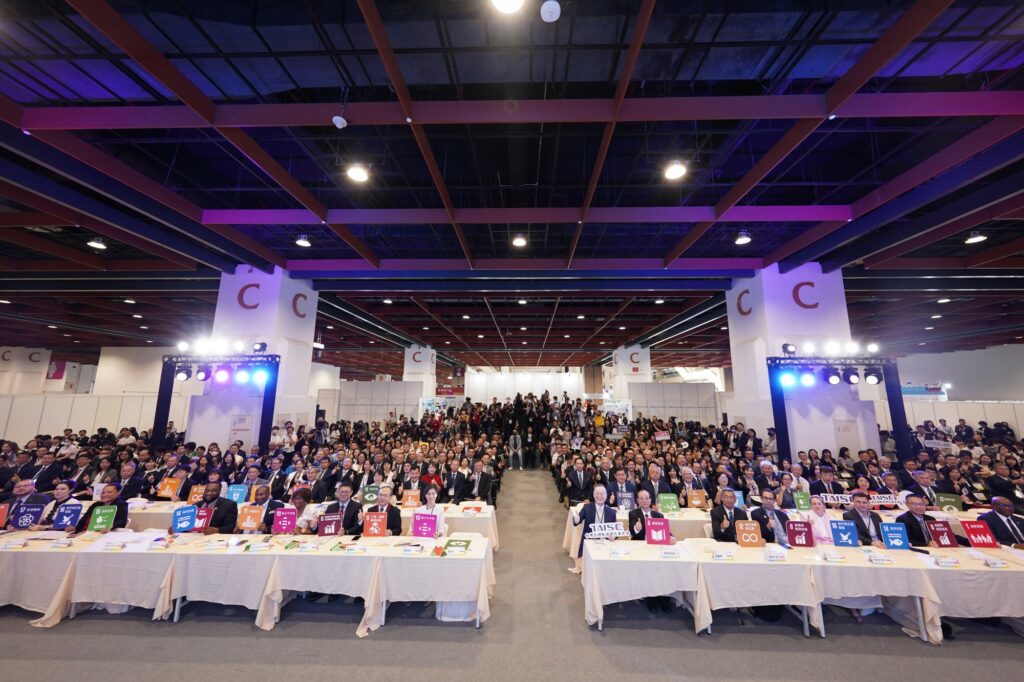
The 2025 Asia-Pacific Sustainability Ac on Awards (APSAA) and the Taiwan Sustainability Ac on Awards (TSAA) were presented on September 11 during the 4th SDG Asia Expo. Using the United Nations 17 SDGs as a shared language, the awards highlight a full spectrum of sustainability actions across government, industry, academia, and social organizations. The theme this year, “Ac on First”, underscores measurable governance and concrete performance rather than promises alone.
Three Anchors of the Ceremony
The award structure conveys three key messages that together demonstrate how sustainability moves from policy formula on to ground implementation.
First, prioritizing real actions.
Projects were evaluated based on verifiable results and governance effectiveness. Solutions rooted in decarbonization, circularity, health equity, social inclusion, and data transparency illustrate how sustainability can be visible, learnable, and scalable.
Second, connecting policy with industry.
Government and businesses jointly addressed net-zero transition, responsible finance, and high-quality disclosure. The alignment of regulatory frameworks with market innovation allows sustainability performance to push competitiveness forward.
Third, enabling youth and ci es as drivers of change.
Student proposals and community pilots were linked to municipal development roadmaps, transforming demonstration projects into long-term policy momentum. Through these perspectives, sustainability actions expand from individual cases to system-wide change.
Cross-Sector Insights and Regional Linkages
Award results reveal three emerging trends shaping sustainable development: Corporate and NGO sectors are accelerating climate ac on, circular innovation, sustainable finance, and health and well-being. These areas respond to global supply chain pressures while building resilience at the local level.
Government, healthcare, and academic sectors are advancing governance innovation in real environments. Initiatives in public service decarbonization, resilient medical systems, USR programs, and educational equity strengthen social infrastructure. Asia-Pacific cooperation is gaining traction. APSAA gathered international cases and city innovations, enabling Taiwan to engage in peer exchange with regional frontrunners while showcasing Taiwan’s methodologies to neighboring economies.
Leadership in Action
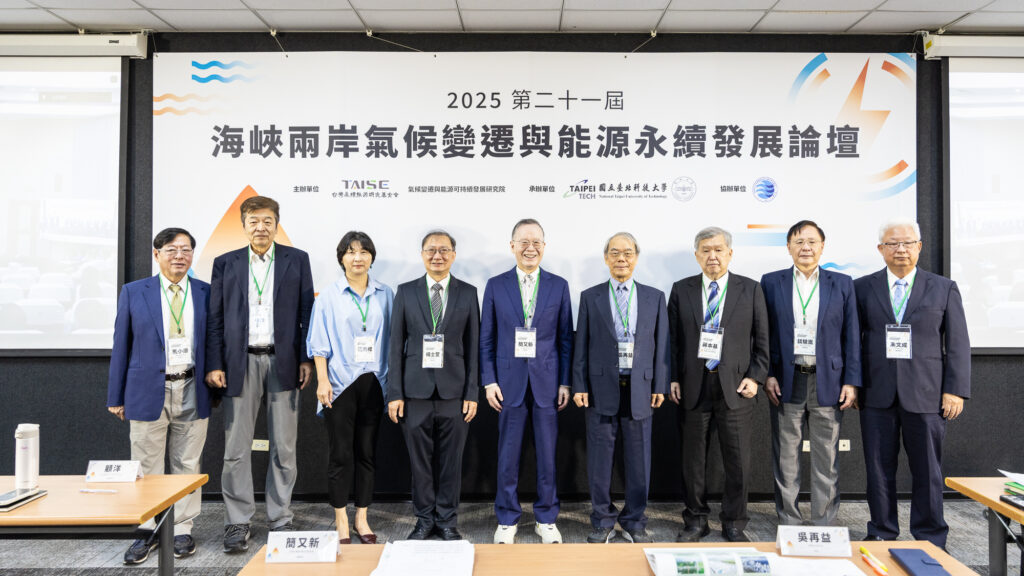
Dr. Eugene Chien, Chairman of the Taiwan Institute for Sustainable Energy (TAISE), noted that Taiwan now serves not only as a participant but also as a platform and bridge in the Asia-Pacific sustainability landscape. He remarked: “Winning represents the beginning of responsibility. True progress comes when results are shared, replicated, and scaled to bring more people into the journey.”
Officials from the economic, environmental, finance, national development, health, and education ministries a ended to present awards, demonstrating that governance excellence and corporate competitiveness now share the same sustainability language.
Youth and Cities as Acceleration Engines
This year, two groups gained stronger visibility:
- The Young Sustainability Leadership Awards showcased solutions in food circularity, ocean conservation, waste recycling, local revitalization, and social entrepreneurship.
Youth innovators demonstrated their ability to shorten the distance from concept to
execution. - The Sustainable Cities Summit brought together delegates from Taiwan’s Six Special Municipalities to present KPIs and governance models in net-zero planning, resilient infrastructure, social justice, and open data. Roadmaps are increasingly comparable and traceable, enabling cross-city learning and scaling.
Comprehensive Award Structure
TSAA continued to track Taiwan’s progress across SDGs. Strong performance was seen in Climate Ac on (SDG 13) and Responsible Consumption and Production (SDG 12), with notable advances in Good Health and Well-Being (SDG 3) and Sustainable Cities and Communities (SDG 11).
APSAA expanded its recognition to corporations, government agencies, hospitals, universities, and NGOs. New distinctions were introduced, including the Most Livable City Excellence Award and the Outstanding Chief Sustainability Officer Award, emphasizing urban innovation and the strategic importance of sustainability
leadership. The Taiwan Distinguished Sustainable Governance Leaders Awards showcased outstanding achievements in safety, resource circularity, environmental education, and compassionate public service.
From Recognition to Responsibility
Across sixteen award segments and a full-day agenda, the ceremony connected outcomes from corporate and civic contributions with governance innovation and youth-powered transformation. Together, they form a panoramic landscape of sustainability actions across Taiwan and the region.
As TAISE emphasized during the ceremony, sustainability is a continuing journey. Awards represent recognition, but also a renewed obligation to deepen governance and expand partnerships. With youth and ci es driving acceleration, and with replicable methodologies scaled across sectors, Taiwan will continue to enhance its role as a key platform for the Asia-Pacific sustainability ecosystem.